Ultra-high-purity (UHP) chemical distribution is an important part of semiconductor manufacturing, where even small amounts of contamination can affect process uniformity, wafer quality, and equipment performance. Modern UHP chemical distribution cabinets are for that reason created not just to transport and dispense chemicals properly but also to monitor chemical problems with minimal human treatment. One technology supporting this objective is non-contact degree surveillance.
Non-contact degree surveillance gauges the amount of chemical inside a container without requiring a sensing unit or probe to physically call the chemical. Relying on the system design, innovations such as ultrasonic, radar, or various other remote sensing approaches can give constant degree information. By getting rid of straight sensor contact with the chemical, these systems can help in reducing contamination worries while giving drivers much better presence right into chemical inventory.
Reducing Contamination Risks

Keeping chemical pureness is just one of the most vital considerations in UHP chemical handling. Typical degree dimension techniques may call for a probe or various other part to be inserted right into the chemical. Ideal products and correct installation can reduce dangers, every component that comes into straight contact with a high-purity chemical stands for one more potential user interface that needs to be managed.
Non-contact monitoring develops physical separation between the dimension tool and the chemical. This can decrease the variety of wetted components within the shipment closet and help reduce potential contamination paths. It can also minimize issues related to sensing unit deterioration, material compatibility, or bits generated by elements subjected to aggressive chemicals.
For semiconductor centers managing delicate process chemicals, decreasing unneeded contact points can support a cleaner and more controlled chemical shipment environment.
Improving Chemical Supply Monitoring
Exact chemical inventory info is important for preserving continual manufacturing. Suddenly low chemical degrees can disrupt procedures, while too much supply can enhance storage space demands and material-management prices. Continual non-contact degree surveillance can supply real-time information regarding the amount of chemical continuing to be in a container or supply vessel.
When attached to an automated control system, level information can be made use of to develop signals and functional limits. Operators may obtain notices when chemical levels approach a predefined minimum, permitting replenishment to be prepared before the supply ends up being vital. This approach can make chemical management extra foreseeable and lower the chance of production disruptions caused by depleted supplies.
Historical degree info can additionally help facilities comprehend intake patterns. By analyzing chemical usage gradually, manufacturing teams can improve replenishment timetables and coordinate distributions a lot more successfully.
Supporting Automated UHP Chemical Shipment
Non-contact level surveillance ends up being specifically important when integrated with automatic chemical delivery devices. A modern-day cupboard can integrate level information with various other procedure specifications, such as circulation, stress, temperature level, shutoff status, and leakage discovery. The control system can then utilize this information to sustain safer and a lot more consistent chemical-handling operations.
When a UHP Chemical Dedelivery Cabinet reaches a specified low-level threshold, the system can produce an alarm or start an ideal replenishment sequence, depending on the facility's automation technique. Top-level detection can in a similar way assist prevent overfilling. These automated features reduce dependence on hands-on evaluation and permit drivers to concentrate on more comprehensive procedure guidance.
Integration with programmable logic controllers (PLCs) and center monitoring systems can additionally improve presence. Operators can monitor chemical standing from a central interface and recognize uncommon problems before they turn into bigger operational issues.
Enhancing Safety And Security and Equipment Reliability
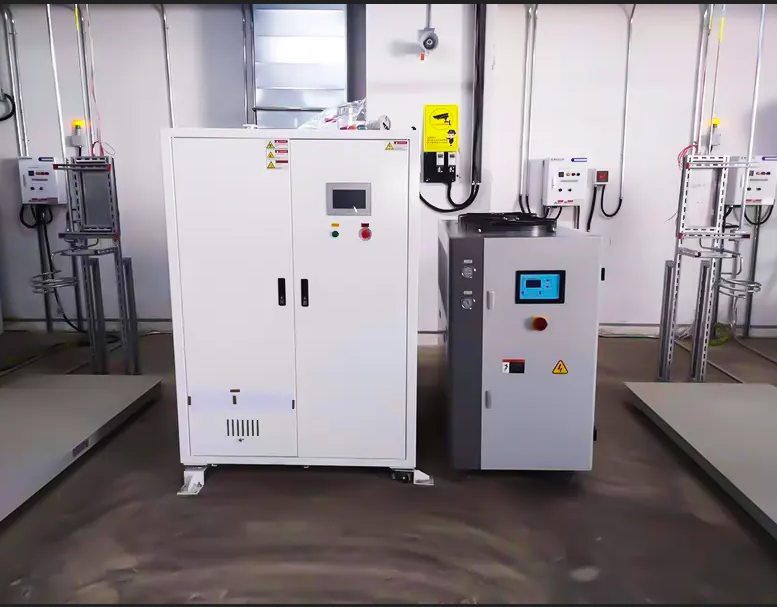
Chemical delivery cupboards typically handle compounds that call for careful containment and regulated handling. Reducing the requirement for constant hands-on checks can limit unnecessary driver communication with chemical containers and tools. Continuous level monitoring can supply early caution of uncommon consumption, unexpected level changes, or various other conditions that may need examination. Go here https://www.chengweisemi.com/product/.
Non-contact innovation can likewise lower wear associated with mechanical or submersed dimension parts. With less parts directly exposed to the chemical atmosphere, upkeep needs may be simplified depending on the picked technology and cabinet setup.
Sensor option stays vital. The tracking modern technology need to be ideal for the chemical properties, container design, running setting, measurement range, and called for precision. Appropriate calibration, validation, and combination are important for reputable efficiency.
Conclusion

Non-contact level tracking offers an important method to improving modern-day UHP chemical distribution closets. By gauging chemical levels without direct contact, it can assist reduce potential contamination pathways while supplying continuous visibility into chemical inventory. When integrated with automated controls, alarms, PLCs, and wider chemical shipment systems, level monitoring can sustain much better inventory planning, functional continuity, safety, and process control.
As semiconductor production remains to demand higher degrees of pureness and automation, innovations that offer precise details without introducing unnecessary call points will certainly continue to be beneficial. Non-contact monitoring is consequently a crucial part of a modern technique for trustworthy and regulated UHP chemical handling.